
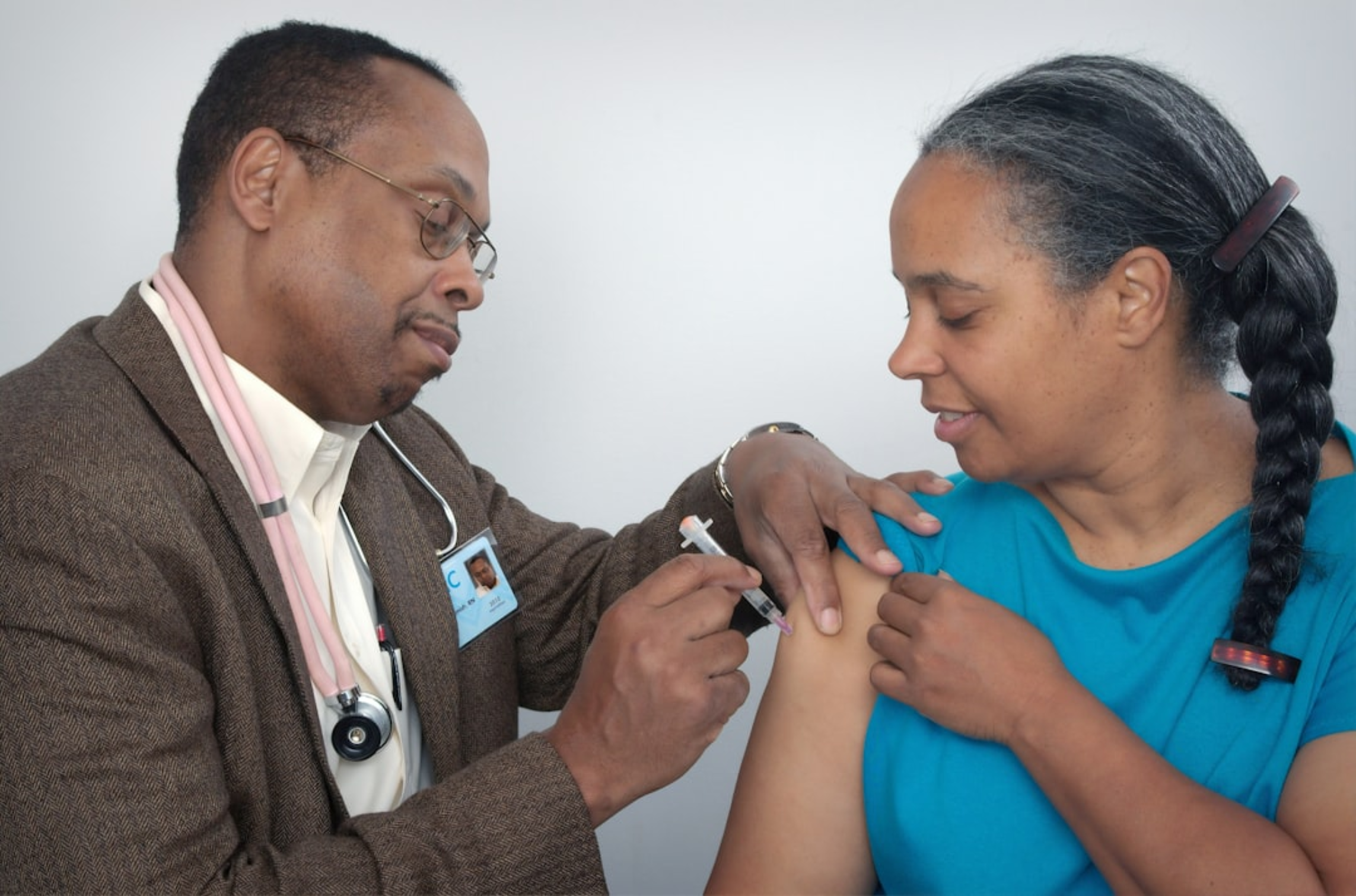
50 years of the Expanded Programme on Immunization
A key driver of advances in childhood survival over the past half-century, the EPI faces fresh challenges in protecting the most vulnerable. Udani Samarasekera reports.
On May 23, 1974, at the 27th World Health Assembly in Geneva, Switzerland, delegations saw a resolution, barely a page long, that might have seemed unimportant at first, given its brevity. But within it was a game-changing request that would transform global health and usher historic public health wins. Recognising the “immense contribution” of immunisation in controlling many common communicable diseases, the text called for WHO Member States to develop immunisation and surveillance programmes against diphtheria, pertussis, tetanus, measles, poliomyelitis, tuberculosis, and smallpox. The diseases were the biggest killers of children then, despite vaccines existing for them. WHO's Director-General at the time, Halfdan Mahler, was requested to intensify activities “at all levels” of the organisation to help countries with this task. Member States approved the resolution that day. And so, WHO's Expanded Programme on Immunisation (EPI) was born.